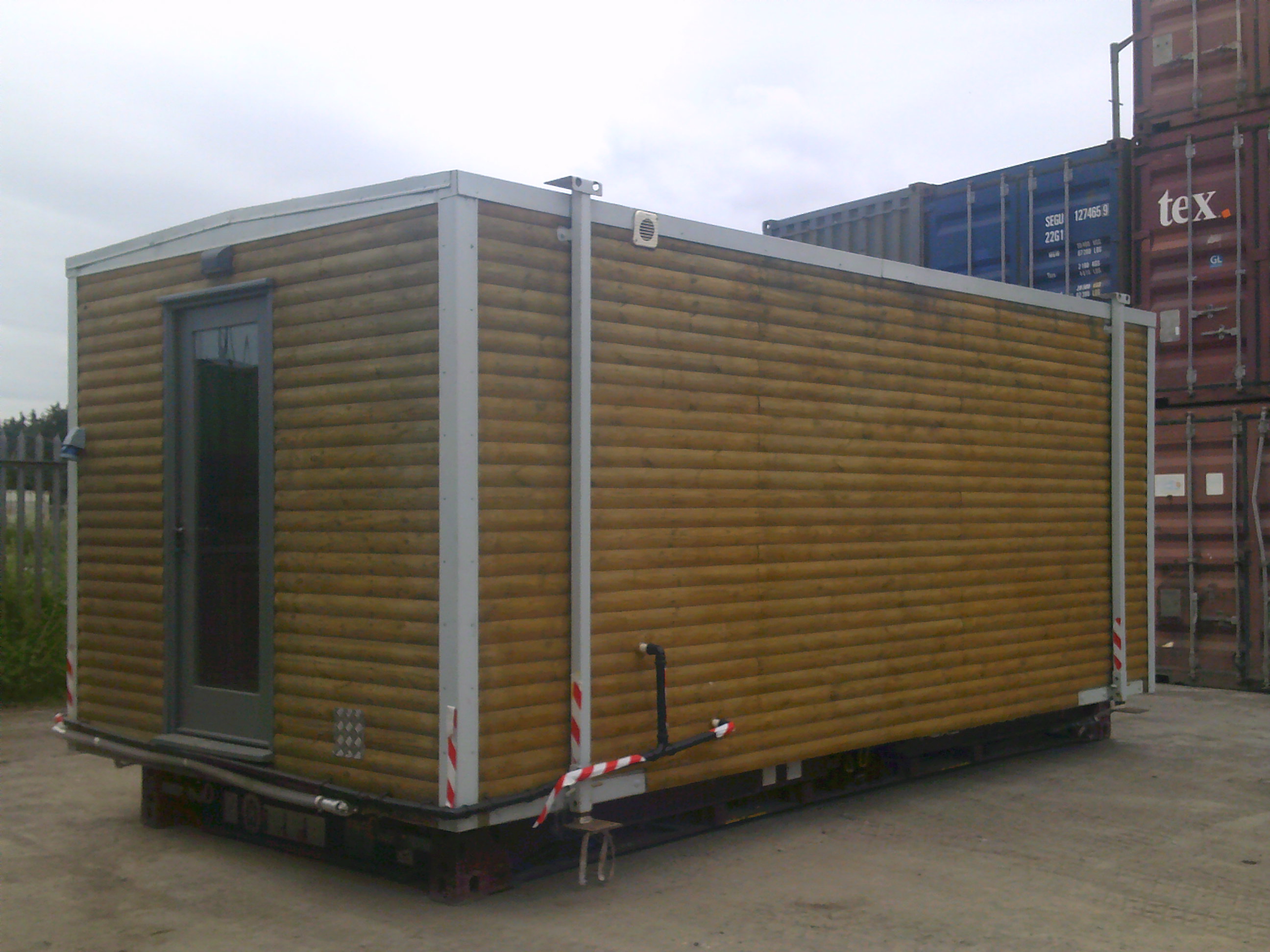
How We Convert a Shipping Container Into a Site Office: The Complete Process
Modern construction projects, industrial sites and businesses need flexible workspace solutions that can be installed quickly, relocated when required and provide a comfortable working environment.
Shipping container site offices have become one of the most practical alternatives to traditional temporary buildings. They are secure, durable, cost-effective and can be fully customised to meet the exact requirements of a project.
But how does a standard steel shipping container become a professional working environment?
At Century Container Services, we specialise in converting shipping containers into functional workspaces, welfare units and bespoke commercial buildings. In this guide, we take you through the process of transforming a standard container into a fully equipped site office.
Step 1: Choosing the Right Shipping Container
Every successful conversion starts with selecting the correct container.
The size and condition of the container will depend on how it will be used.
Common choices include:
20ft Shipping Container Site Offices
Ideal for:
- Small construction sites
- Welfare facilities
- Security offices
- Compact workspaces
40ft Shipping Container Site Offices
Ideal for:
- Larger teams
- Meeting rooms
- Project offices
- Multiple workstations
High Cube Containers
High Cube containers provide an additional 300mm of internal height, making them particularly suitable for conversions where insulation, ceilings and services are required.
Before conversion begins, we assess:
- Container condition
- Structural integrity
- Existing repairs
- Flooring condition
- Customer requirements
Step 2: Preparing the Container
Once selected, the container enters our workshop where preparation begins.
This includes:
- Full inspection
- Cleaning
- Removal of damaged components
- Repairing any defects
- Preparing surfaces for fabrication
Shipping containers are designed to survive harsh marine environments, so they provide an excellent structural foundation for conversion.
Step 3: Structural Modifications
The next stage involves modifying the steel structure to create a practical workspace.
Typical modifications include:
Installing Personnel Doors
Standard shipping containers are designed with large cargo doors. For daily access, we often install secure personnel doors with:
- Steel frames
- Weather seals
- Locking mechanisms
- External handles
Adding Windows
Natural light is essential for a comfortable office environment.
Windows can be positioned to suit:
- Desk layouts
- Meeting areas
- Site visibility requirements
Installing Openings and Service Points
Depending on the specification, we may add:
- Cable entry points
- Ventilation openings
- Air conditioning provisions
- Additional access points
All structural alterations are reinforced to maintain the strength of the container.
Step 4: Insulation and Internal Lining
A bare steel container is not suitable as a comfortable workspace.
The next stage is creating a controlled internal environment.
Typical insulation options include:
- PIR insulation boards
- Spray foam insulation
- Mineral wool systems
Insulation helps regulate:
- Temperature
- Noise
- Condensation
- Energy efficiency
The walls, ceiling and floor are then lined with suitable internal finishes.
Common finishes include:
- Plywood lining
- Melamine boards
- Timber-effect panels
- Painted finishes
Step 5: Electrical Installation
A professional site office requires a reliable electrical system.
Depending on requirements, installations can include:
- LED lighting
- Twin sockets
- External power connections
- Consumer units
- Heating controls
- Data cabling
- Emergency lighting
All electrical installations should be completed by qualified professionals and tested before use.
Step 6: Heating and Climate Control
A comfortable workspace is essential, particularly on UK construction sites.
Common heating solutions include:
- Electric panel heaters
- Convection heaters
- Infrared heating systems
For year-round use, customers may also choose:
- Air conditioning
- Additional insulation
- Enhanced ventilation systems
Step 7: Fitting Out the Office
The final stage is adapting the space to the customer's needs.
A shipping container site office can include:
- Desks
- Workstations
- Storage cupboards
- Meeting areas
- Kitchen facilities
- Toilets and welfare facilities
Some businesses require simple offices, while others need fully equipped modular buildings.
Step 8: Quality Inspection
Before leaving our workshop, every converted container undergoes inspection.
Checks include:
- Door operation
- Weather sealing
- Electrical testing
- Internal finish quality
- Structural integrity
- Customer specification review
Our aim is to deliver a site office that is ready to use immediately upon arrival.
Why Choose a Shipping Container Site Office?
Businesses choose converted shipping containers because they offer significant advantages over traditional temporary buildings.
Cost Effective
Container conversions can often provide a high-quality workspace at a lower cost than permanent construction.
Fast Installation
Unlike traditional buildings, converted containers can be manufactured off-site and delivered ready for use.
Relocatable
If your project moves, your office can move with it.
Secure
Steel construction provides excellent protection for:
- Documents
- Computers
- Tools
- Equipment
Customisable
Almost every aspect can be adapted:
- Size
- Layout
- Doors
- Windows
- Electrics
- Heating
- Internal finishes
Real-World Applications for Container Offices
Shipping container offices are used across many industries, including:
Construction
- Site management offices
- Project offices
- Meeting rooms
Manufacturing
- Production offices
- Quality control rooms
Logistics
- Security offices
- Distribution hubs
Education
- Temporary classrooms
- Staff offices
Events
- Ticket offices
- Operations centres
Why Choose Century Container Services?
At Century Container Services, we don't simply supply containers—we transform them into practical working environments.
Our experienced fabrication team handles:
- Container modifications
- Steel fabrication
- Insulation
- Electrical installations
- Bespoke fit-outs
- Nationwide delivery
From a basic site office to a fully bespoke modular building, we work with customers to create solutions designed around their requirements.