15 Costly Mistakes to Avoid Before Buying a Shipping Container in the UK
Whether you're buying a shipping container for secure storage, a workshop, a site office or a bespoke conversion, making the wrong decision can cost far more than the initial purchase price.
Every week, we speak to customers who have been caught out by poor quality containers, underestimated delivery requirements or bought the wrong specification entirely.
At Century Container Services, we've supplied and modified thousands of shipping containers across the UK. Here are the 15 most common mistakes we see—and how you can avoid them.
1. Buying on Price Alone
Everyone wants a good deal, but the cheapest shipping container isn't always the best value.
Extremely low-priced containers are often older units that have undergone multiple repairs, have significant corrosion or have doors that are difficult to operate.
A quality container should provide years of reliable service, making it a far better investment than replacing a poor-quality unit after only a few years.
Top Tip: Ask why a container is cheaper than others before purchasing.
2. Choosing the Wrong Size
Many buyers automatically choose a 20ft container because it's the most common size.
However, a 40ft container often provides double the storage for a surprisingly small increase in cost.
Likewise, some projects only require a compact 10ft container, saving valuable space on site.
Common sizes include:
- 10ft Shipping Containers
- 20ft Shipping Containers
- 40ft Shipping Containers
- 40ft High Cube Shipping Containers
Before buying, think about what you'll be storing both now and in the future.
3. Forgetting About Delivery Access
One of the biggest surprises for customers is discovering that the container can reach the property—but the delivery vehicle cannot.
Things to consider include:
- Narrow roads
- Tight entrances
- Overhanging trees
- Low bridges
- Soft ground
- Overhead cables
- Sloping driveways
A quick discussion with your supplier can prevent expensive failed deliveries.
4. Ignoring Ground Preparation
Shipping containers weigh several tonnes, even before they're loaded.
Placing one on uneven or unstable ground can lead to:
- Doors becoming difficult to open
- Structural twisting
- Water pooling
- Uneven floors
Simple concrete pads, railway sleepers or compacted hardcore are often sufficient when correctly installed.
5. Not Understanding Container Grades
Not all used shipping containers are equal.
You'll often hear terms such as:
- Wind & Watertight (WWT)
- Cargo Worthy (CW)
- IICL Standard
- One-Trip Containers
Each grade has different levels of cosmetic condition and structural quality.
Understanding these differences helps ensure you're buying the right container for your application—not paying for a specification you don't need.
6. Forgetting Security
Shipping containers are naturally secure, but there are ways to improve security further.
Consider adding:
- Lockboxes
- High-security padlocks
- Internal locking systems
- Security lighting
- CCTV
If valuable equipment will be stored inside, investing in additional security is well worth considering.
7. Overlooking Condensation
Many first-time buyers assume containers leak when they notice water inside.
In reality, condensation is usually the culprit.
Warm, moisture-laden air meeting cold steel creates condensation that can drip onto stored items.
Solutions include:
- Additional ventilation
- Anti-condensation coatings
- Insulation
- Moisture absorbers
- Proper airflow
8. Not Considering a High Cube Container
A standard container offers approximately 8ft 6in external height.
A High Cube container provides an extra foot of height.
That additional space can make a huge difference for:
- Shelving
- Workshops
- Vehicle storage
- Office conversions
- Machinery
It's often one of the best upgrades available.
9. Buying Without Thinking About Future Modifications
Many customers later decide they need:
- Personnel doors
- Roller shutters
- Windows
- Electrical installation
- Insulation
- Heating
- Air conditioning
Planning these modifications before purchase can save significant time and money.
10. Choosing the Wrong Supplier
Not all container companies offer the same level of expertise.
Look for suppliers who provide:
- Honest container grading
- Nationwide delivery
- Modification services
- After-sales support
- Industry experience
- Clear warranties
A knowledgeable supplier can help avoid costly mistakes before they happen.
11. Forgetting About Ventilation
Even simple storage containers benefit from good airflow.
Without adequate ventilation, moisture, mould and unpleasant odours can quickly develop.
Depending on your intended use, additional vents may be recommended.
12. Underestimating Loading Requirements
It's easy to think about fitting everything inside—but harder to get it back out.
Consider:
- Door opening width
- Pallet truck access
- Forklift access
- Shelving layout
- Heavy machinery movement
A well-planned layout can save hours of work later.
13. Ignoring the Benefits of New (One-Trip) Containers
Used containers are excellent value, but sometimes a new One-Trip container is the better choice.
Benefits include:
- Minimal corrosion
- Excellent paint finish
- Near-perfect doors
- Longer lifespan
- Professional appearance
For customer-facing businesses, appearance often matters just as much as functionality.
14. Not Asking About Customisation
Modern shipping containers can become almost anything.
Popular modifications include:
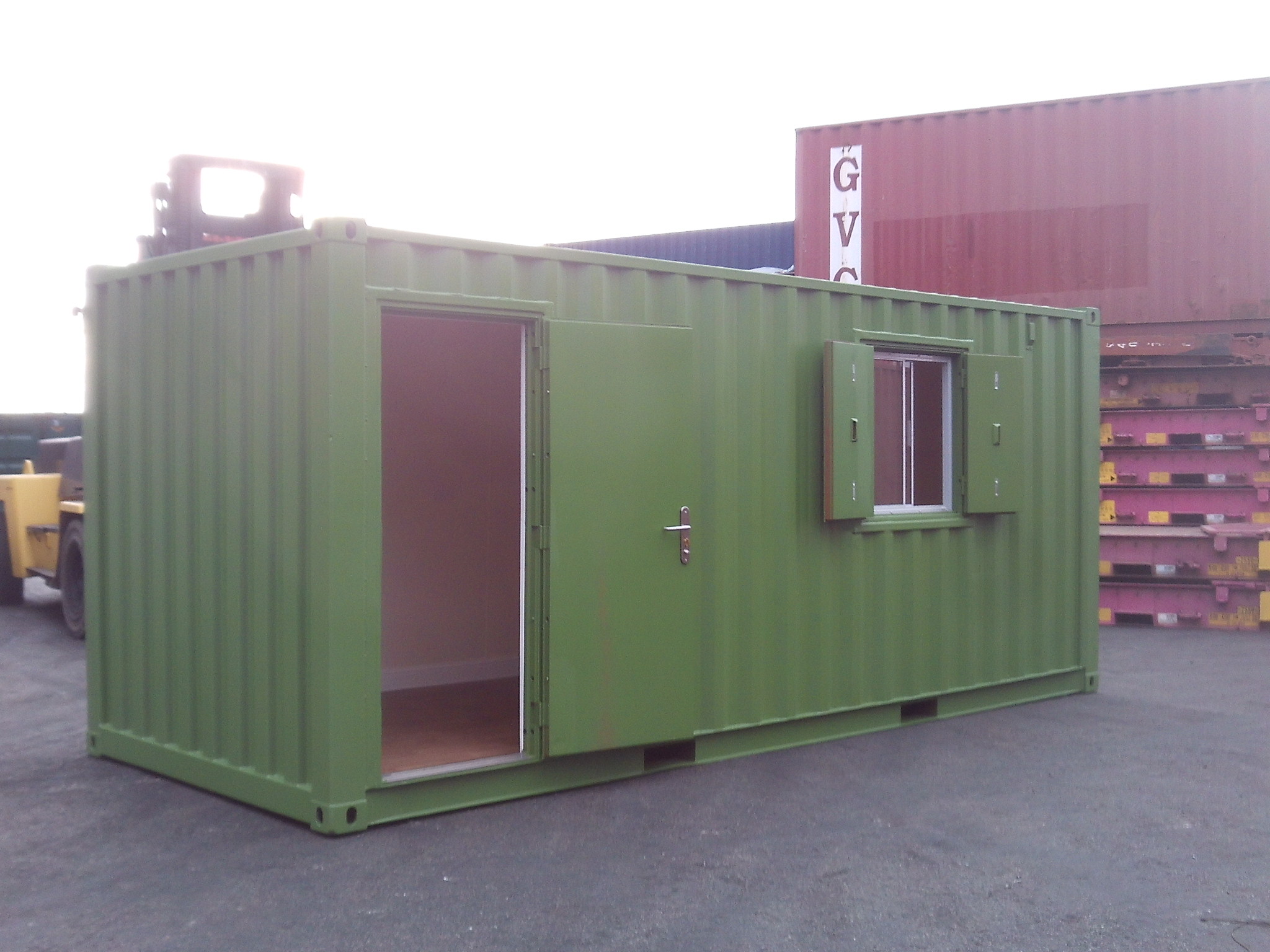
- Site offices
- Chemical stores
- Workshops
- Retail units
- Plant rooms
- Welfare units
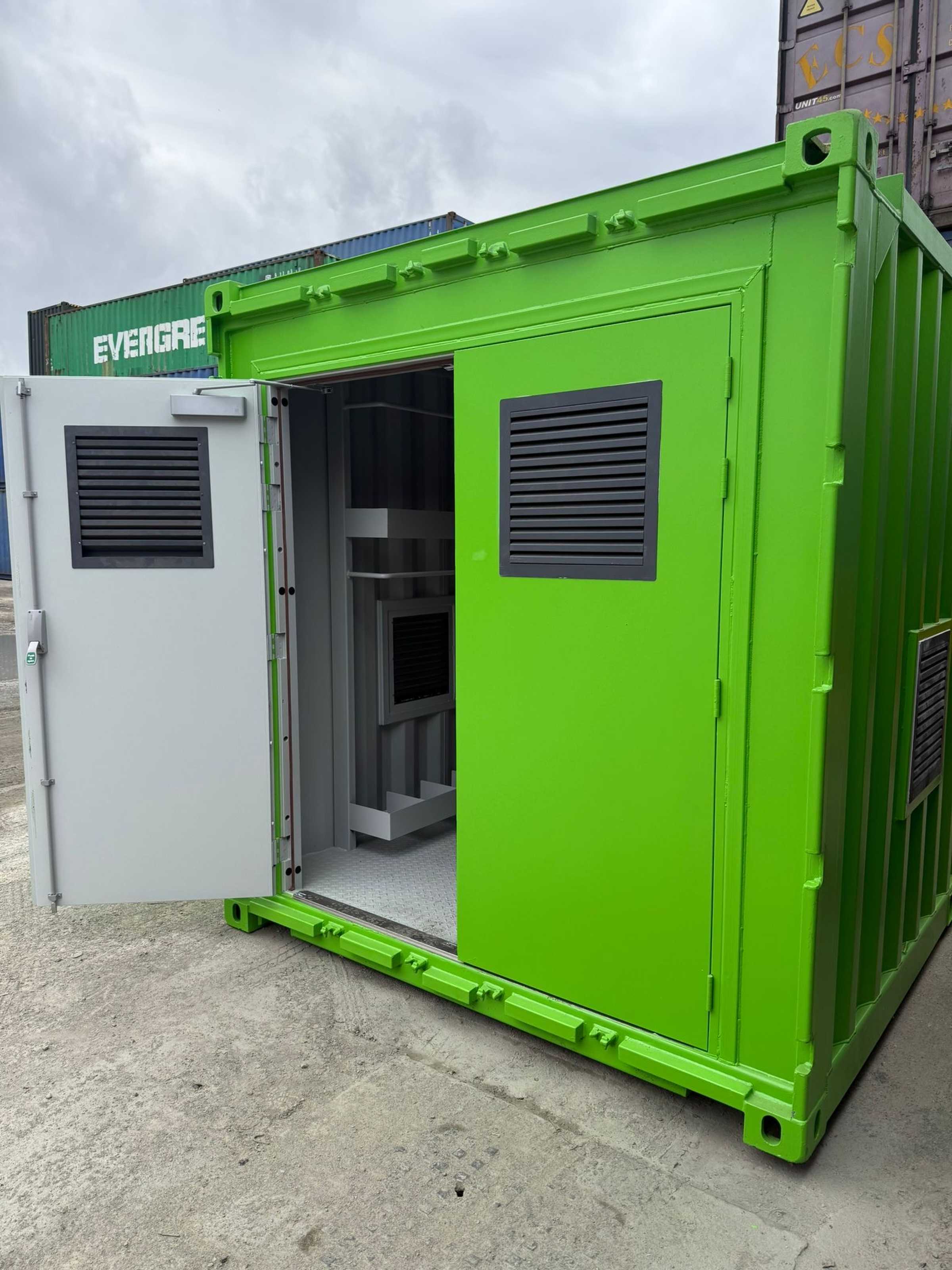
- Generator housings
- Secure tool stores
Working with a specialist fabricator means your container can be built specifically around your requirements.
15. Buying Without Expert Advice
Every project is different.
The best container for a building site isn't necessarily the right choice for a farm, a school, an engineering company or an events business.
Speaking to an experienced supplier before buying could save hundreds—or even thousands—of pounds.
Final Thoughts
Buying a shipping container is a significant investment, but it doesn't have to be complicated.
By avoiding these common mistakes and working with an experienced supplier, you'll receive a container that's fit for purpose, built to last and delivers excellent value for years to come.
Whether you're looking for a standard storage container or a fully bespoke conversion, taking a little extra time before you buy will pay dividends.
Why Choose Century Container Services?
At Century Container Services, we've spent decades supplying, transporting and converting shipping containers for customers across the UK. From secure storage containers and bespoke workshops to chemical stores, welfare units and fully customised conversions, our experienced team can help you find the right solution for your project.
We offer:
- New and used shipping containers
- Bespoke container conversions
- Nationwide HIAB delivery
- Expert fabrication and modifications
- Honest advice with no hard sell
If you're unsure which container is right for your needs, contact our team today—we'll be happy to help.